

Online harm
Online harm refers to the negative or dangerous experiences people can face on the internet, including cyberbullying, harassment, scams, identity theft, misinformation and exposure to inappropriate or harmful content. It can affect anyone, impacting mental health, personal safety, and privacy. Promoting digital awareness, respectful communication and strong privacy practices is essential to creating safer online spaces for everyone.
Recently, online harm has featured prominently in the media, and in October 2023 the Government published the “Online Safety Act“, which is to be monitored by the regulator Ofcom.
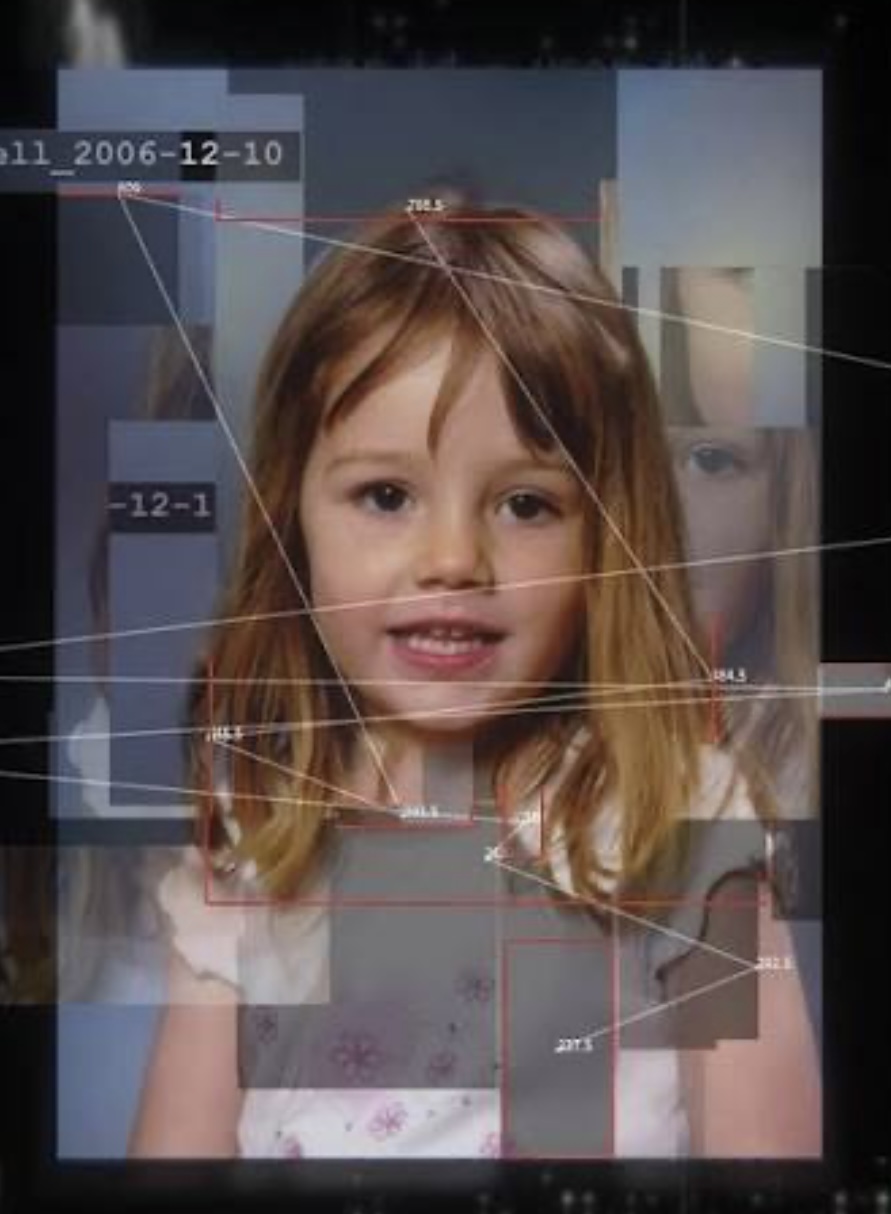
The Act was introduced following a huge amount of campaigning by parents who have lost children as a result of viewing harmful content online – parents such as Ian Russell, father of schoolgirl Molly Russell, who took her own life at the age of just 14 in 2017. Molly’s family and friends established The Molly Rose Foundation. In March 2026 they released a documentary film – Molly vs The Machines – exposing how social media platforms exposed Molly to a dark world of harmful content which played a significant role in her death.
The Molly Rose Foundation is committed to raising the voices of parents and young people impacted by online harm through their campaigns to influence tangible change to laws and regulation. You can add your name to their letter to the Prime Minister demanding bold action to protect teens online.
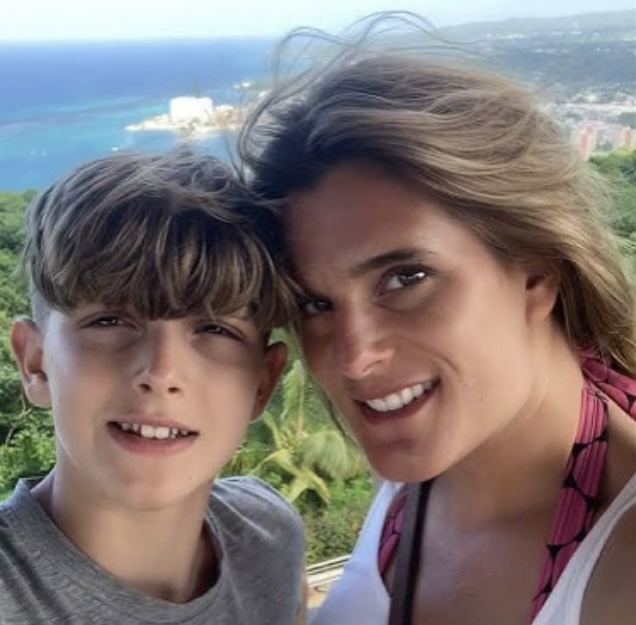
Another powerful campaigner has been Ellen Roome, who spoke at our Hope for Life Conference in 2025.
Ellen’s son, Jools, was just 14 years old when he took his own life in 2022. Ellen has since campaigned passionately for improved online safety and digital accountability, believing that his online activity – including possible exposure to harmful content or dangerous internet “challenges” – may have played a role.
Ellen created and campaigned for Jools’ Law, which in early 2026 was confirmed by the UK government to be introduced as part of amendments to the Crime and Policing Bill, mandating automatic preservation of children’s online data after death, helping bereaved parents and authorities understand whether online experiences contributed to a child’s death and improving accountability for social platforms.
Further information & support
R;pple is a UK-based suicide prevention charity that uses digital technology to help people in crisis. Founded in 2021 by Alice Hendy after losing her brother to suicide, the organisation has developed a browser extension that detects when someone searches for self-harm or suicide-related terms online and instead presents them with a gentle message of hope and signposts to free, 24/7 mental health support, helplines and resources. It is available for free to families and schools, with competitive pricing for businesses.
Internet Watch Foundation (IWF) works to stop the repeated victimisation of people abused in childhood and make the internet a safer place, by identifying & removing global online child sexual abuse imagery.
‘Self generated’ (often under coercion) images are a growing concern, with children often choosing safe places to take and then share compromising images of themselves. Most don’t realise the consequences of their actions before it’s too late.
IWF have a number of Campaigns; ‘Think Before You Share‘ ‘Block and Report and Tell Someone Your Trust‘ and TALK, aimed at parents to help them talk to their child about online sexual abuse.
Smartphone Free Childhood is a movement of families standing together to delay smartphones and social media – turning isolation into collective strength.